An air conditioner that runs from breakfast to bedtime is not being heroic; it is being overloaded. During a humid Ontario summer, nonstop running is one of the first signs that something in the system or the house needs attention, and the sooner you decode it, the cheaper the fix tends to be.
When the Machine Itself Falls Short
An aging unit. Compressors and fans lose capacity as they wear, so a system that once cycled normally now grinds through the entire day. An undersized system. If the unit lacks the capacity for the home, it simply never finishes the job on peak days, running longer and longer without catching up. Wear and sizing both shrink the effective capacity of a system, and the two often arrive together: an aging unit behaves like an undersized one years before it actually fails.
Have You Checked the Filter, the Coils, and the Outdoor Unit?
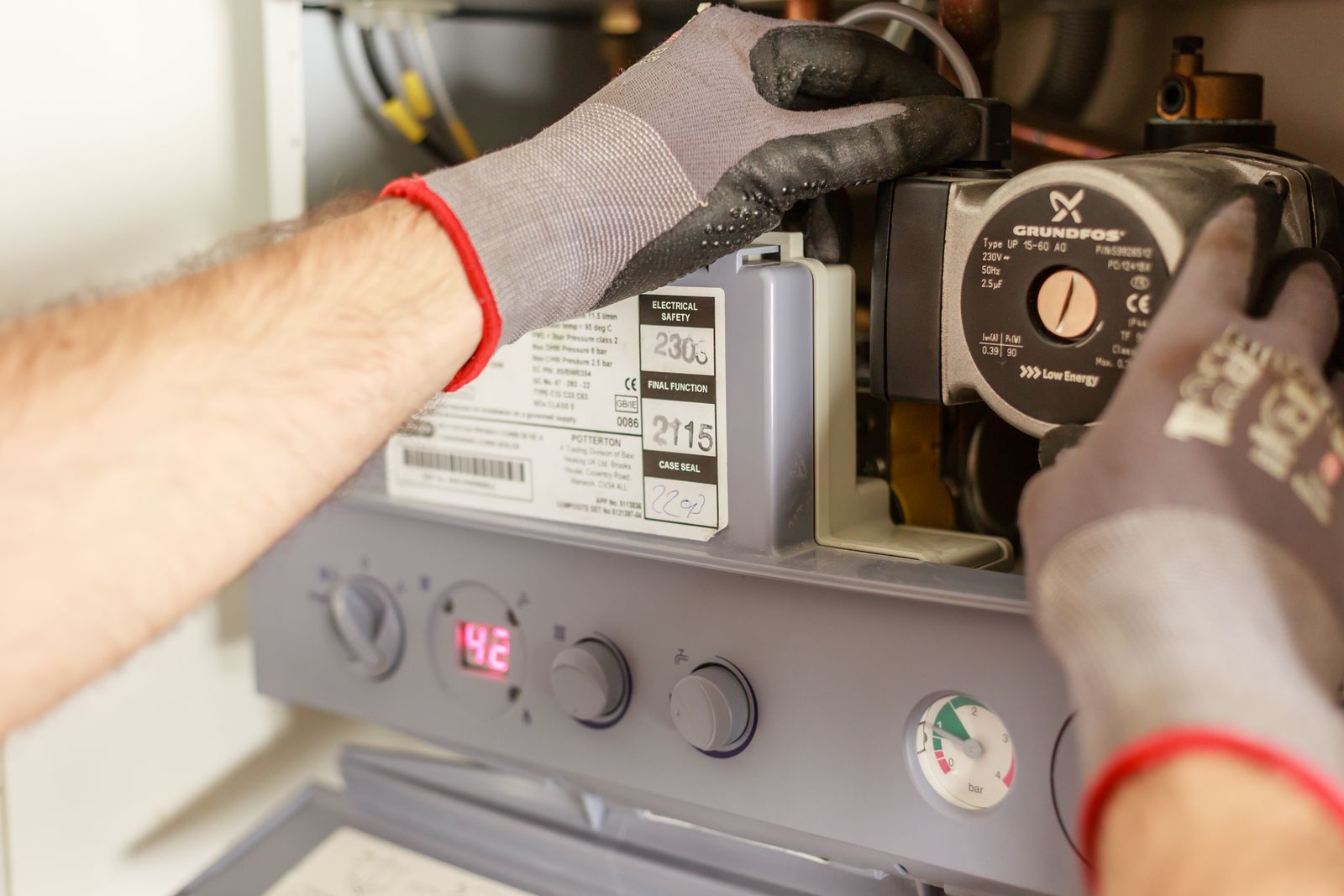
A clogged filter. This is the first thing to rule out because it is the cheapest fix in HVAC. A full filter starves the blower and throttles air to every vent in the house. A dirty evaporator coil. Dust that slips past the filter settles on the cold coil and insulates it, so less cold transfers into the air moving past.
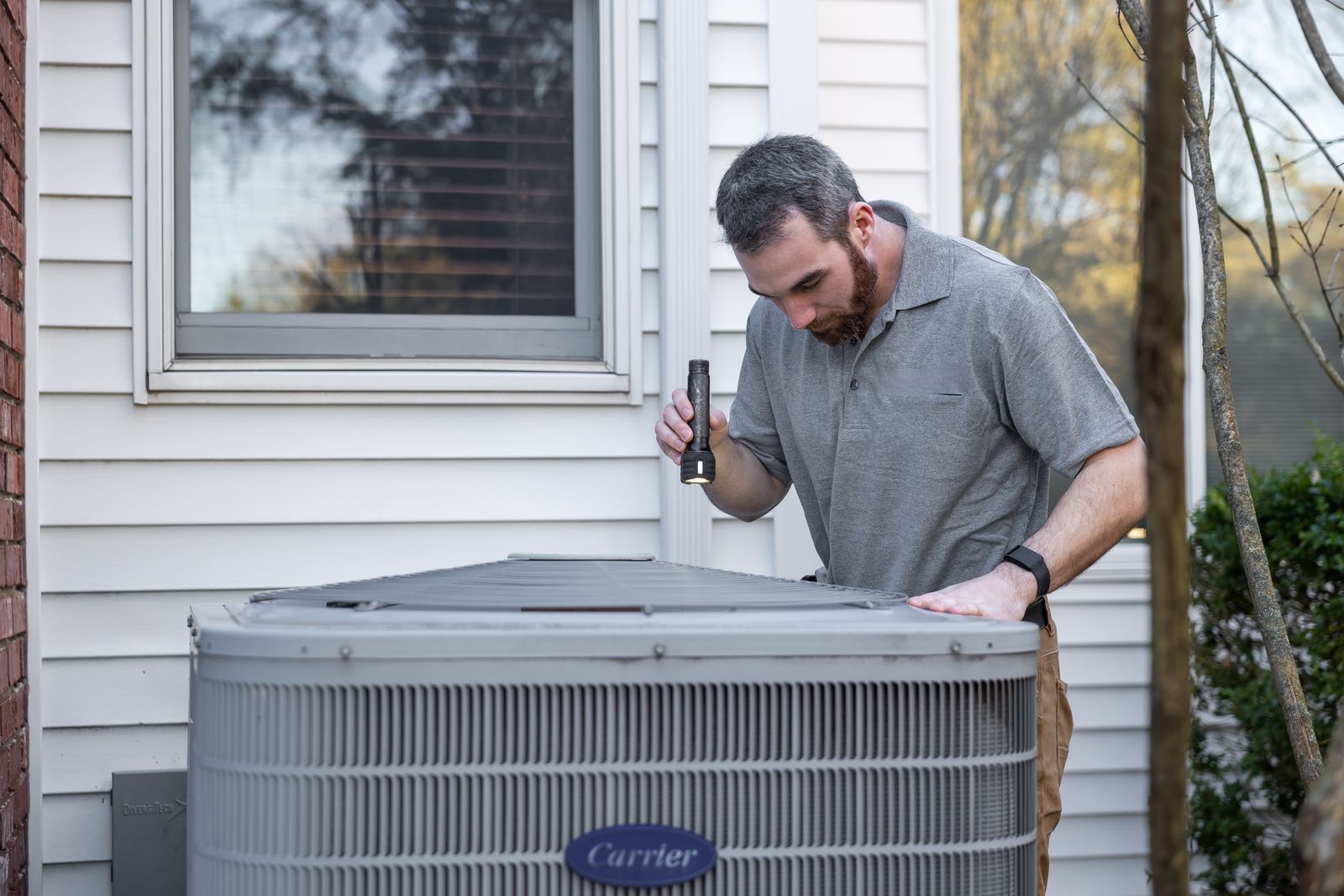
A blocked condenser. Debris, tall plants, or a dryer vent blowing nearby all heat up the outdoor coil and slow the whole system down.
Your Nonstop-Running Checklist
- Note when it shuts off. If the honest answer is never, book service.
- Check the filter. A five-second look rules out the most common cause.
- Walk the outdoor unit. Clear anything crowding the sides or stacked on top.
- Feel the vents. Cool but weak points to airflow; weak and barely cool points to refrigerant or coils.
Where the Extra Hydro Actually Goes
An air conditioner has always had two jobs: cool the air and dehumidify it. Humid Ontario weather makes both jobs harder at once, so the system runs longer to deliver the same comfort, and longer runtime shows up on your hydro bill. That extra runtime is one thing when it is simply muggy outside.
It is another thing entirely when a maintenance problem is quietly adding hours to the meter every day. A bill that spikes without a heat wave to explain it is a symptom worth decoding, because the causes are common and most are inexpensive to fix.
Refrigerant, the Building, and the Fix
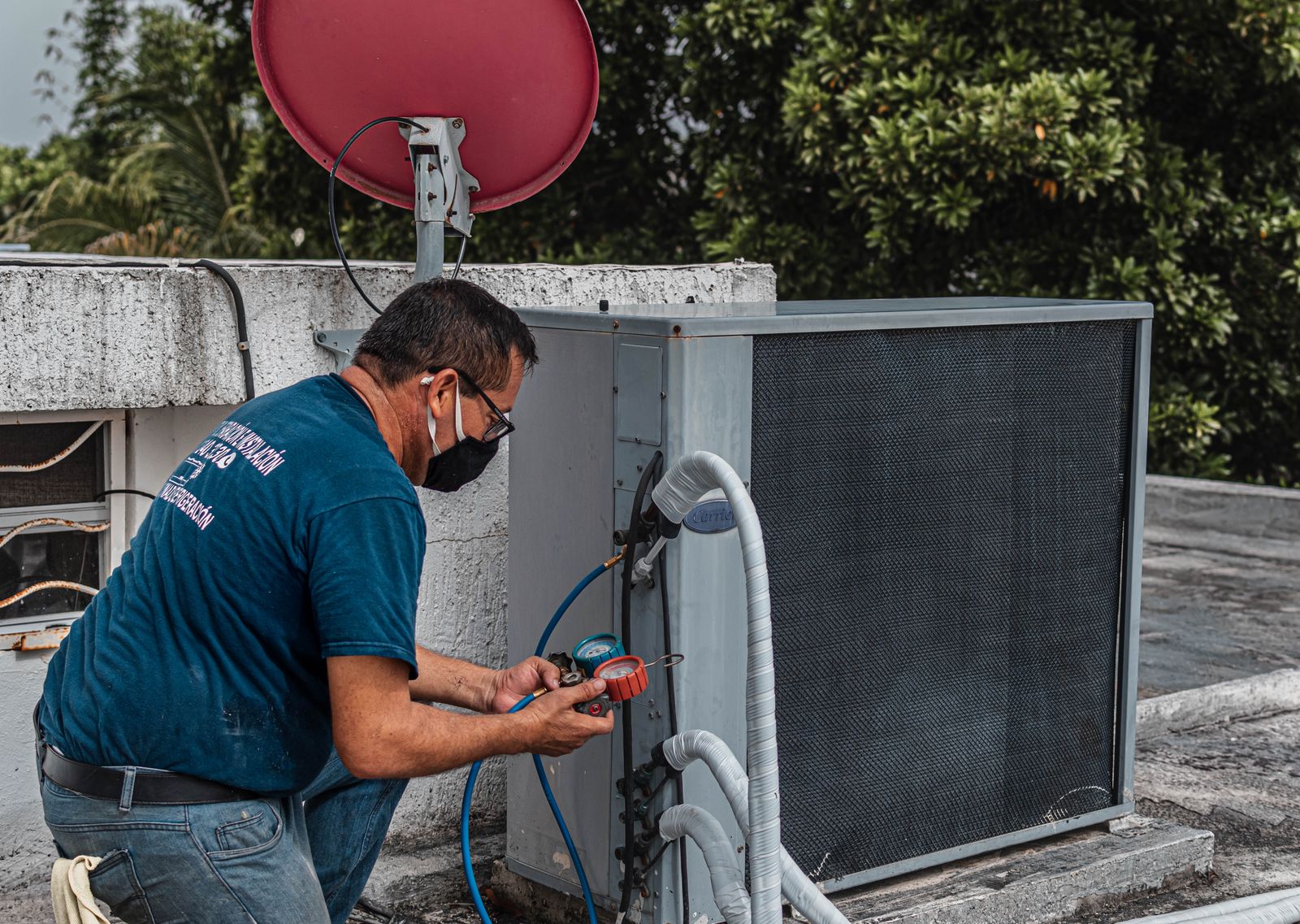
Low refrigerant. A slow leak stretches every cycle and can eventually damage the compressor. Poor insulation and air leaks. Warm, humid air leaking in through the attic, windows, and doors adds load the equipment was never meant to carry; sealing gaps and adding insulation can genuinely change how the system performs.
When Paris Heating & Cooling services a system, the visit covers the full chain: pressure-testing the charge, cleaning the coils, measuring airflow, and confirming the unit is sized for the home as it stands today.