What details help distinguish a furnace ignition fault from an airflow or blower problem?
Furnace repair starts by identifying what the system is doing and which fuel and furnace type it uses. A failure to start, uneven heat, unusual sound, or repeated cycling can have different causes, from an ignition fault to restricted airflow or a control problem. Observations about when the symptom occurs help guide inspection. Repair, maintenance, and replacement are separate decisions, based on findings, equipment condition, and whether the required parts and compatible controls are available.
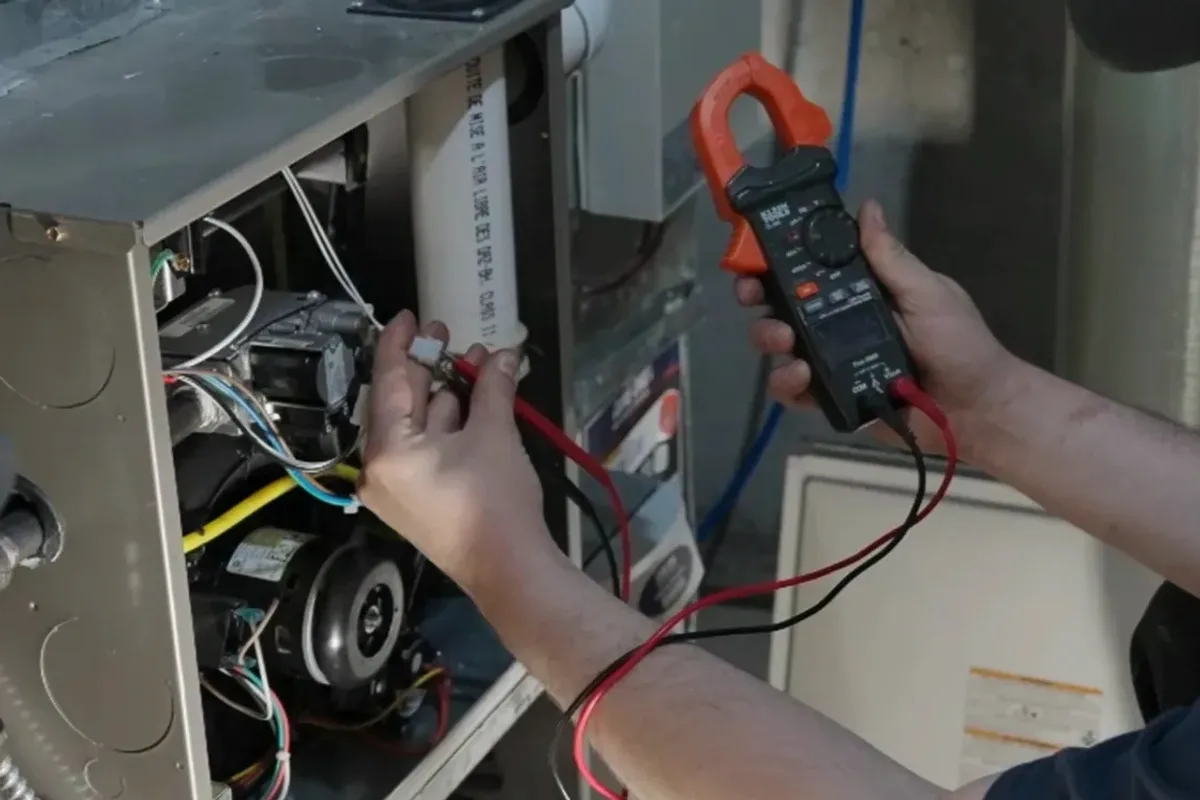
Note whether the furnace starts, produces heat, or stops during a cycle, and describe any new sound or display indication. The fuel and model help define the inspection: gas, propane, and oil equipment have different burner and ignition arrangements. A qualified assessment is needed for combustion, electrical, and safety components; symptoms alone cannot establish whether repair or replacement is appropriate.
Gas, propane, and oil furnace fault diagnosis
Ignition, burner, airflow, blower, and control issues
Maintenance findings and repair-versus-replacement decisions
Assessment and Scope
Questions for the Proposed Work
01
Separate ignition faults from airflow and noise complaints
A furnace that will not start calls for checks of its controls and ignition sequence, while a running unit with weak or uneven heat may point to airflow, blower, or distribution issues. A boom, scrape, or rattle is useful diagnostic information, but does not identify a failed part by itself. The location and timing of the sound help narrow the inspection without assuming that every noise requires the same repair.
02
Match the repair to the fuel and furnace design
Gas, propane, and oil furnaces differ in fuel delivery and burner components, so the fuel type and model should be confirmed before work is scoped. High-efficiency gas equipment also has different venting and condensate arrangements from many conventional furnaces. Findings from the ignition, burner, airflow, and control checks determine whether a component repair is suitable. Combustion and internal electrical work require qualified service, not occupant troubleshooting.
03
Use inspection findings to compare repair and replacement
A repair decision should account for the failed component, the furnace's condition, and whether other faults are present. A serviceable blower or ignition component presents a different decision from a damaged heat exchanger or extensive deterioration. Maintenance is a separate matter: inspection of filters, airflow, burners, and controls should follow the equipment manufacturer's instructions and observed condition. Age alone does not establish that replacement is necessary.
Compare the next step
Map the areas served by the furnace and the conditions under which another heat source operates. Ask whether the reported complaint comes from the furnace, a changeover control, or a room outside its distribution. Have the contractor explain the intended sequence so overlapping equipment does not conceal the actual fault.
Leave burner, fuel, venting, electrical, and internal equipment work to a qualified contractor. Do not bypass a safety switch or repeatedly reset a furnace.